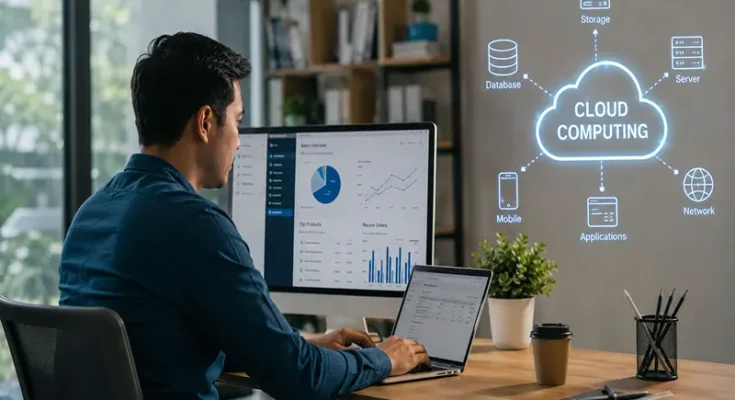
Cost-Effective Hybrid Computing Business Solutions for Data Privacy

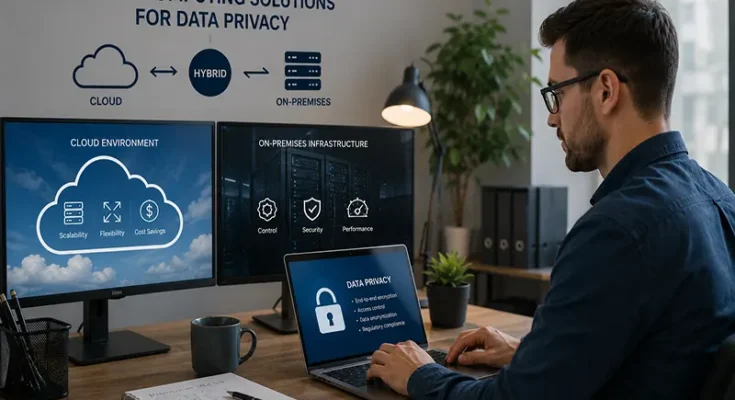
Cost-Effective Hybrid Computing Business Solutions for Data Privacy

In the 2026 digital landscape, the “Hybrid Paradox” has become the defining challenge for enterprise IT: organizations must leverage the elastic scalability of the public cloud while maintaining absolute control over the sensitive, privacy-regulated data that drives their competitive advantage. As cloud costs become increasingly volatile due to AI workloads and micro-charges, the hybrid model has evolved from a transitional phase into a long-term strategic necessity.

The Strategic Advantage of Hybrid Privacy

The modern approach to hybrid computing is built on workload placement discipline. Rather than a “cloud-first” or “on-prem-first” mandate, IT leaders are now mapping applications based on their sensitivity, performance requirements, and data residency needs.

By keeping core datasets, proprietary IP, and PII (Personally Identifiable Information) on private, controlled infrastructure—such as a private cloud or a secure colocation facility—businesses minimize their exposure to public cloud breaches and jurisdictional legal hurdles. Simultaneously, non-sensitive workloads—like development environments, web front-ends, …

Cost-Effective Hybrid Computing Business Solutions for Data Privacy Read More
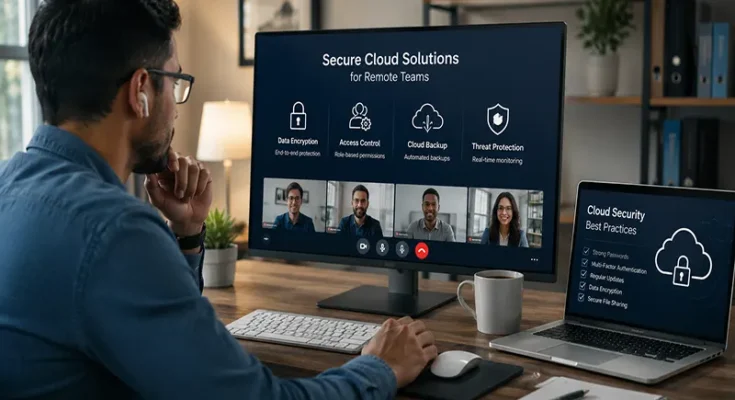
How to Choose Secure Cloud Computing Business Solutions for Remote Teams

How to Choose Secure Cloud Computing Business Solutions for Remote Teams

In 2026, the traditional corporate “perimeter”—the firewalled office building—has effectively dissolved. With the workforce distributed globally, the new reality is a distributed perimeter. Securing this environment requires a departure from legacy network-based security toward cloud-native, identity-centric architectures. For business leaders, selecting a secure cloud solution is no longer a technical choice; it is a fundamental operational necessity to ensure resilience against an evolving threat landscape.

The Shift from VPN to Zero Trust

For decades, Virtual Private Networks (VPNs) were the standard for remote access. They functioned like a gatekeeper: once you were inside the gate, you had broad access to the “trusted” network. This model is now obsolete. If a single remote endpoint is compromised, an attacker can move laterally across the entire network to reach sensitive data.

Modern remote teams must adopt Zero Trust Network Access (ZTNA). Built on the core principle of “Never trust, always verify,”

How to Choose Secure Cloud Computing Business Solutions for Remote Teams Read More
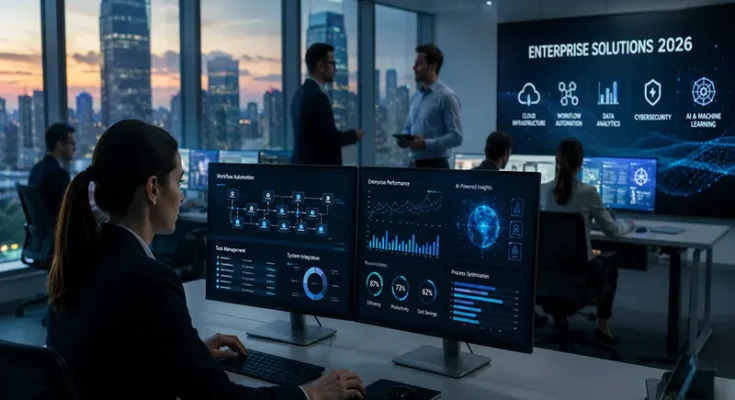
The Future of Efficiency: Best Enterprise Computing Solutions to Improve Workflow Automation in 2026

The Future of Efficiency: Best Enterprise Computing Solutions to Improve Workflow Automation in 2026

We have reached a definitive “Automation Inflection Point” in 2026. For years, enterprise automation was defined by Robotic Process Automation (RPA)—rule-based scripts that followed rigid “if-then” logic to perform repetitive, low-complexity tasks. While these legacy systems provided efficiency, they were brittle and limited to silos. Today, the landscape has fundamentally shifted toward AI-native, agentic systems capable of orchestrating complex, end-to-end business outcomes.

For enterprise leaders, the objective is no longer just “automating a task”; it is orchestrating intelligent, adaptive business processes. To remain competitive, organizations must move away from fragmented scripts and toward unified computing solutions that treat AI agents as a scalable, digital workforce.

The Shift to Agentic Workflows

The hallmark of the 2026 enterprise architecture is the transition from “task automation” to “process orchestration.” Modern enterprise computing solutions now utilize autonomous agents—intelligent software entities that can interpret unstructured data, make contextual decisions, and interact across multiple systems without …

The Future of Efficiency: Best Enterprise Computing Solutions to Improve Workflow Automation in 2026 Read More
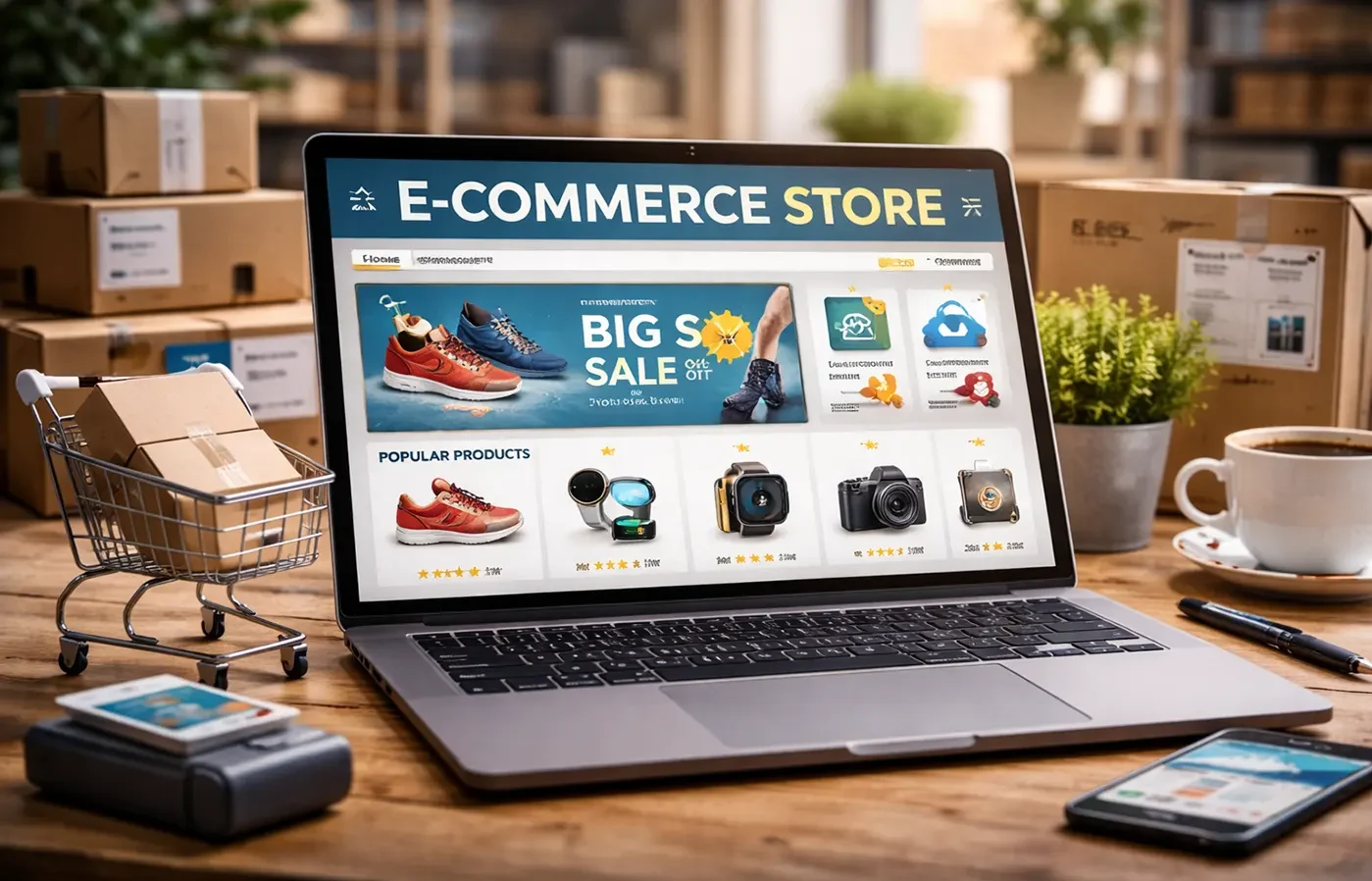
Affordable Cloud Computing Business Solutions for Small and Medium Enterprises

Affordable Cloud Computing Business Solutions for Small and Medium Enterprises

In today’s fast-paced digital economy, the “digital divide” is no longer just about access to the internet; it is about the ability to leverage enterprise-grade technology to drive efficiency. Historically, powerful computing infrastructure was the exclusive domain of large corporations with massive IT budgets. However, the democratization of cloud computing has fundamentally shifted this landscape. For small and medium enterprises (SMEs), cloud technology has become the great equalizer, offering affordable, scalable, and secure solutions that were once financially out of reach.

For the modern SME, adopting cloud computing is not merely an IT upgrade—it is a strategic necessity. By shifting from traditional, on-premise hardware to cloud-based services, businesses can eliminate barriers to growth, foster remote collaboration, and ensure operational resilience.

The Economic Argument: Shifting from CapEx to OpEx

The primary hesitation for many SME owners regarding technology is the high upfront cost of server hardware, specialized maintenance, and physical security. …

Affordable Cloud Computing Business Solutions for Small and Medium Enterprises Read More
5 Important Roles Technology is Playing in the Food Industry

5 Important Roles Technology is Playing in the Food Industry

We are now more knowledgeable about the food industry, thanks to new technologies and communications. Soon the world population would reach 9 billion, which will leave one extremely crucial problem over our heads: food stability. But luckily enough, technology has given us the ability to count, trace, and eventually, feed 8.4 million people who aren’t getting enough to eat. Check Collected.Reviews for customer feedback about how and where to order food online. Meanwhile, here are 5 important roles technology is playing in the food industry.

1. 3D Printing

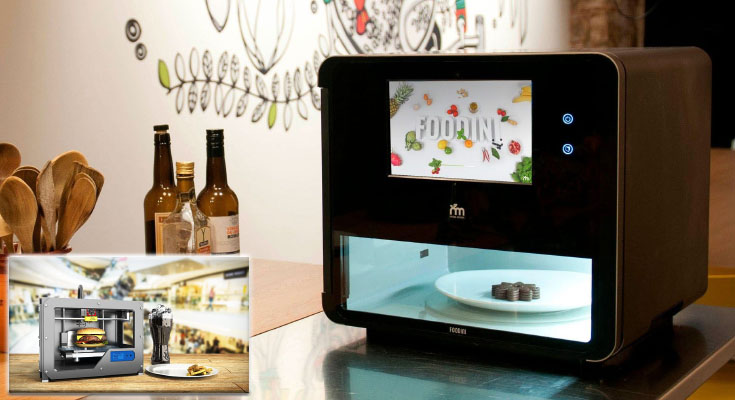
 3D food printing has truly exploded over the past few years. There have been many uses for 3D printing of food, such as making soft pizzas for those that are unable to eat regular ones. It enables creativity and sustainability, because we could not do several of these before, while still supporting food sustainability. The 3D printing industry is now in a …

5 Important Roles Technology is Playing in the Food Industry Read More